VFDs

Unlocking Motor Control Excellence — Why VFDs Matter

Unlocking Motor Control Excellence — Why VFDs Matter

In today’s engineering world, efficiency isn’t optional — it’s the baseline. From industrial plants to commercial buildings, every watt of power and every hour of uptime matters. Engineers know that motor systems are the heartbeat of modern automation, but they also know motors can be inefficient, costly, and prone to wear when not properly controlled.

Enter the Variable Frequency Drive (VFD) — a technology that has transformed motor control from a blunt instrument into a finely tuned system.

What Is a VFD?

Unlocking Motor Control Excellence — Why VFDs Matter

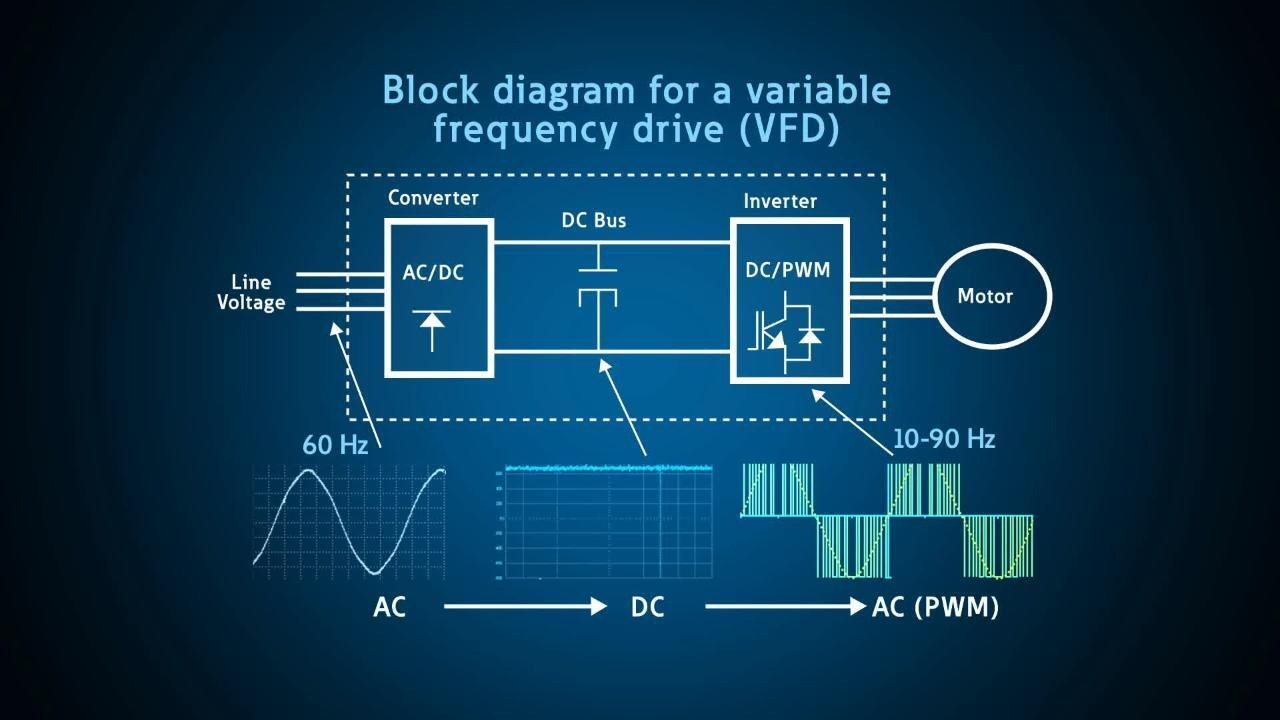
A Variable Frequency Drive is an electronic device that controls an AC motor’s speed and torque by varying the input frequency and voltage. It sits between the power supply and the motor, converting incoming AC power into DC, then back into AC at an adjustable frequency.

At its core, a VFD lets you match motor output to system demand — a concept that seems simple but delivers a massive impact.

Why VFDs Matter for Engineers

For engineers — many balancing performance goals with real-world project budgets — understanding and applying VFDs can be the difference between a system that “just runs” and a system that delivers efficiency, reliability, and long-term value.

Here’s why VFDs deserve your attention:

1. Energy Savings That Pay for Themselves

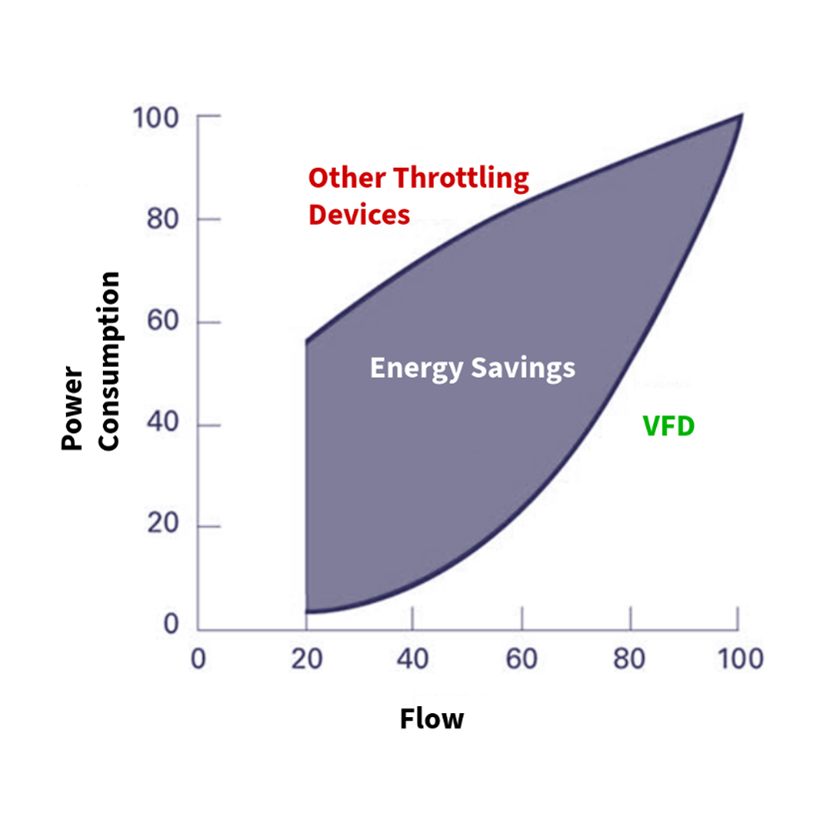
Motors are one of the largest energy consumers in the world, responsible for nearly 50% of global electricity use. Traditionally, motors run at full speed while system demand is throttled with valves, dampers, or mechanical restrictions — a setup that wastes enormous amounts of energy.

By controlling motor speed directly, VFDs often cut consumption by 30–50% in common applications like:

  • Centrifugal fans in HVAC systems
  • Pumps in water distribution or process systems

Compressors in industrial facilities

2. Smarter Process Control

For engineers designing systems where accuracy and smooth operation matter, VFDs deliver:

  • Soft starts and controlled acceleration to reduce mechanical stress.
  • Precision speed control to fine-tune process performance.
  • Integration with PLCs and building automation through standard protocols like Modbus, BACnet, or Ethernet/IP.

Imagine a conveyor line where variable product loads require different speeds, or a cooling tower fan that only needs to run at 60% during spring and fall. A VFD makes that possible without constant manual intervention.

3. Longer Equipment Life

Every hard start generates heat, torque spikes, and mechanical stress. Over time, those events shorten the lifespan of motors, couplings, belts, and gearboxes. VFDs eliminate the “slam on / slam off” problem by ramping up and down smoothly. The result? Fewer breakdowns, less maintenance, and longer life for expensive assets.

For plant managers, that’s not just convenience — it’s a measurable reduction in total cost of ownership.

4. Built-In Intelligence

Modern VFDs aren’t just speed controllers — they’re diagnostic tools and control hubs. Many include:

  • Protective features like overload detection, phase loss monitoring, and thermal protection.
  • Communication capabilities to integrate into larger control systems.
  • Data logging and alerts that help engineers troubleshoot before small problems become big failures.

This intelligence makes VFDs critical not only for motor control but also for predictive maintenance strategies.

The Engineer’s Takeaway

If you design, install, or maintain systems powered by motors, VFDs are no longer optional. They’re essential tools for:

  • Driving efficiency
  • Enhancing process control
  • Reducing maintenance costs
  • Future-proofing systems

And while you could source VFDs from any number of distributors, working with a specialist like VFDs-Direct.com means you get more than just a part number — you get expertise, support, and a streamlined path to motor control excellence.